Ads, Endorsements, and the Art of Selling Out (Lovingly): How Celebrity Advertising Became Its Own Entertainment
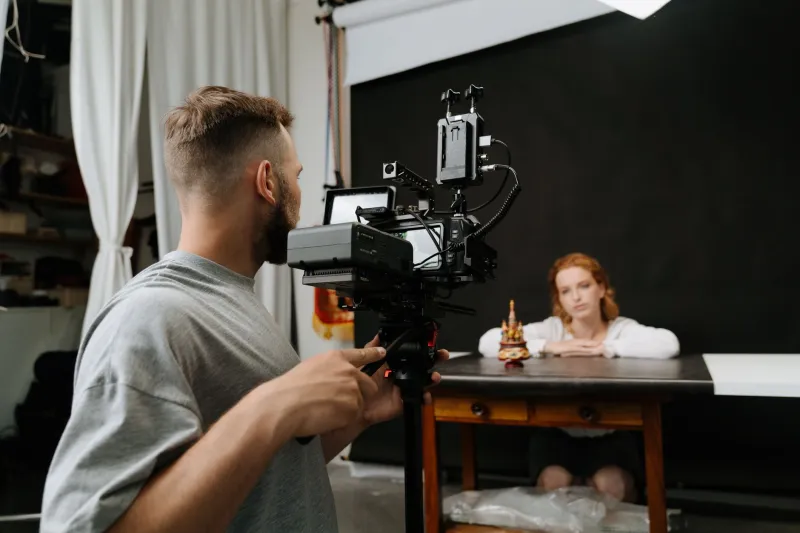
There was a time when a celebrity doing a commercial was a quiet, slightly embarrassing transaction. You'd catch a grainy clip of some A-lister hawking a Japanese whiskey brand or doing a shampoo spot they clearly filmed in an afternoon, and both parties would silently agree never to bring it up again. Those days? Completely, utterly over.
Today, celebrity advertising — or as the Spanish-speaking half of the internet more elegantly calls it, publicidad — is its own genre of entertainment. Super Bowl spots get red-carpet treatment. Brand deals get announced like album drops. And the line between a celebrity's "authentic self" and their sponsor list has become so blurred that honestly, nobody's even pretending anymore. We're all just watching the show.
From Shame to Main Stage
The pivot happened somewhere around the mid-2010s, when social media turned every celebrity into a walking, talking billboard — and somehow made it cool. When Kim Kardashian posted a lollipop with a brand tag, the internet lost its mind, but it also watched. When Ryan Reynolds started doing those deadpan Aviation Gin ads that felt more like short films than commercials, people shared them voluntarily. Voluntarily! Nobody was forced to forward a gin ad to their group chat, and yet here we are.
The secret sauce? Leaning into the absurdity of it all. The celebrities who win at advertising in 2025 are the ones who are clearly in on the joke. They know you know they're being paid. You know they know you know. And somehow that mutual acknowledgment makes the whole thing weirdly charming.
The Super Bowl Effect: Commercials as Cultural Events
Nothing crystallizes the entertainment-ification of advertising quite like Super Bowl ad season. We have reached a point in American culture where a significant portion of the viewing audience tunes in specifically for the commercials. That's wild when you say it out loud. Millions of people voluntarily, eagerly watching advertisements.
And Hollywood feeds this beast with gusto. Super Bowl spots now feature full celebrity ensembles, cinematic production values, and plot twists. There are teasers for the ads. There are post-game discussions about which brand won. Ad Age and Twitter (sorry, X) spend days ranking them like they're Oscar contenders.
The Dunkin' / Ben Affleck extended universe alone has spawned more content than some actual movie franchises. At this point, Ben Affleck's coffee shop adventures are a legitimate piece of American pop culture. That's advertising. That's publicidad doing the absolute most, and we respect it.
The Micro-Influencer Pivot Nobody Saw Coming
While A-listers were busy turning ads into mini-movies, something else quietly happened: brands started hedging their bets. The rise of micro-influencers — people with somewhere between 10,000 and 500,000 followers who feel like your very online friend rather than a celebrity — fundamentally changed the advertising landscape.
Why? Because authenticity (or at least the convincing performance of it) sells. When your favorite niche bookstagram account recommends a reading lamp, it hits different than when a globally famous pop star does it from a yacht. Brands figured this out, and now the advertising ecosystem is this massive, layered thing where mega-celebrities and regular-person content creators are all running in the same race with wildly different shoes.
The result is that everyone is in advertising now. Your favorite comedian? Brand deal. That actor you love from that show? Podcast ad read. The musician whose vinyl you own? Selling you a mattress. It's not selling out anymore. It's just... Tuesday.
When the Ad Becomes the Scandal
Of course, not all publicity is good publicity, and not all advertising lands with grace. The history of celebrity brand deals is also a history of spectacular misfires that became news stories in their own right.
Remember the Pepsi ad with Kendall Jenner that managed to somehow offend everyone simultaneously? Or the countless influencer posts that forgot to include the legally required #ad disclosure and ended up with FTC letters? Or any number of celebrities endorsing products that turned out to be... not great? The advertising misfire has become its own entertainment subgenre, dissected on Twitter, mocked on late-night shows, and immortalized in "worst ads ever" YouTube compilations.
In a strange way, even the failures are content. A bad celebrity ad doesn't just disappear anymore — it gets screenshotted, analyzed, and debated until it becomes a cultural touchstone. Fyre Festival was, at its rotten core, an advertising campaign. And it became one of the most talked-about media moments of the decade.
The Future of Celebrity Advertising: Weird, Wild, and Fully Unhinged
So where does all this go? If the trajectory holds, the line between entertainment and advertising is only going to get blurrier. We're already seeing brands become content studios, celebrities become brand founders, and ad campaigns that are genuinely more interesting than the shows they're interrupting.
AI is also crashing the party, naturally. Synthetic celebrity likenesses are already being used in advertising in ways that are raising serious legal and ethical questions — but also generating enormous amounts of attention, which is, of course, the whole point. Whether that's exciting or terrifying probably depends on your general outlook on the simulation we're all living in.
What's clear is that advertising — good, bad, weird, sincere, cynical, or some cocktail of all five — has fully cemented itself as part of the pop culture conversation. It's not background noise anymore. It's foreground noise. It's the main event.
And honestly? Given how much of it has become genuinely watchable, we're not even mad about it. Bring us another Ryan Reynolds gin ad. We'll be here.
Faco's Crusam covers the full spectrum of pop culture — including the parts that are technically trying to sell you something.